Why Parenting Today Feels So Hard — And What We Can Do About It
Parenting today is not what it used to be.
We live in a world with better technology, more resources, and access to more information than ever before. And yet, for many modern families — especially those living away from extended family — parenting feels more exhausting, more isolating, and more overwhelming than ever.
I speak from personal experience. As a working parent living far from my home country, I’ve been grappling with the day-to-day demands of raising a child without the kind of support I grew up with. And I know I’m not alone.
This is not just my story — it’s a reflection of what countless families are silently enduring. And unless we come together to address these challenges, we risk raising a generation with weaker bodies, stressed minds, and disconnected hearts.
1. The Time Dilemma: Parenting vs. Productivity
Press enter or click to view image in full size

Raising a child is not a part-time responsibility — it demands presence, attention, patience, and love. But most working parents today are juggling full-time jobs, commutes, deadlines, and meetings. By the time we wrap up work, there’s barely enough energy left to engage, let alone play for hours.
For example, when my child wants to play outdoors, he doesn’t want just 15 minutes of interaction — he wants 3 to 5 hours of real, quality time. That’s not something most working parents can easily provide on a daily basis.
2. When Kids Fall Sick, Everything Falls Apart
Press enter or click to view image in full size

A common challenge in daycare environments is frequent illness. But over time, based on my personal observation, it’s not just about viruses spreading from child to child.
What I’ve noticed is that the food being served — often cold, processed, or incompatible with young digestive systems — seems to be a major contributor to their weakened immunity. From my understanding of Ayurveda, cold and heavy foods disturb digestion (agni), especially in young children. Once one child falls sick, the illness spreads not just because it’s contagious, but because their immune systems are already vulnerable.
Please note: this is based on personal experience and not clinical research.
3. Food That Heals vs. Food That Hurts
Press enter or click to view image in full size

We’re surrounded by unhealthy options: packaged snacks, sugary treats, cold juices, processed cereals. Children are naturally drawn to them — thanks to marketing and peer influence.
But in my personal experience, warm, nourishing, freshly prepared food is harder to come by, especially outside the home. Most daycares, schools, and even restaurants don’t consistently provide meals that support children’s digestive and mental health. This nutritional gap is something I’ve felt deeply as a parent — and it’s a quiet but pressing concern for many others.
4. Where Are the Other Children?
Press enter or click to view image in full size
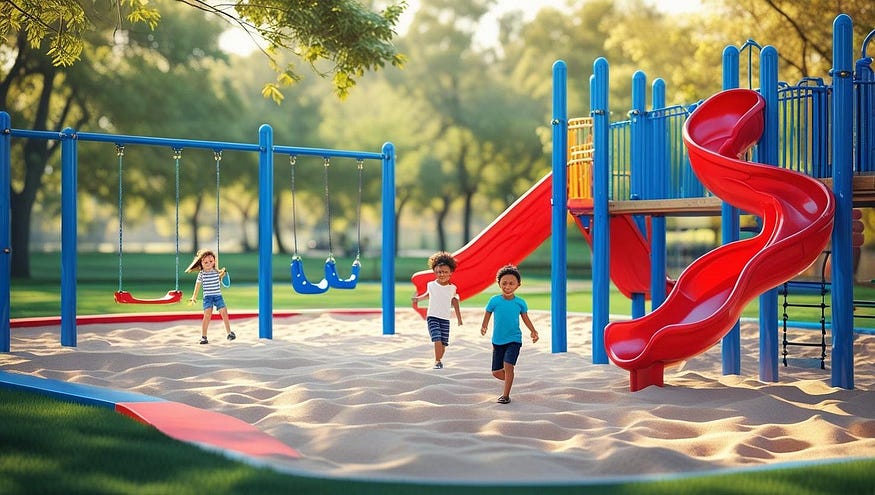
Even when I take my son to the park, we often find it empty. In today’s neighborhoods, children are mostly kept indoors — either due to safety concerns or because parents are too busy to supervise outdoor play.
As a result, children miss the social connection they deeply crave. My son enjoys playing with me — but he longs for someone his age. And I can’t replace that. In my childhood in India, we had neighborhood friends to play with daily. That community spirit is fading fast, and it’s leaving a silent void in many children’s lives.
5. The Long, Cold Winter
Press enter or click to view image in full size

In the warmer months, we have at least the option to go outside. But in winter, it becomes nearly impossible. Parks are covered in snow. The cold is harsh. And indoor play centers are limited, often crowded, and expensive.
From personal experience, this leads to frustration — for both children and parents. It increases screen time, shortens tempers, and contributes to emotional stagnation.
6. Postpartum Pain: The Forgotten Mother
Press enter or click to view image in full size

One of the most overlooked aspects of modern parenting, in my view, is the health of mothers after childbirth.
Pregnancy and delivery deeply transform a woman’s body and mind. Many women experience fatigue, back pain, hormonal shifts, and emotional sensitivity long after delivery. But there’s often no one to help. No one to clean. No one to cook. No one to give the mother the space and rest she needs.
In my experience, most women return to daily duties far too soon — not because they’re ready, but because they have no choice. Maternity leave is helpful, but not enough. We need ongoing postpartum support systems that help mothers heal holistically.
7. What’s Missing: A Community That Cares
Press enter or click to view image in full size

All of these challenges point to one reality: Parenting was never meant to be done alone.
We need more than babysitters and playdates. We need a village:
A nature-based space where children can connect with the earth and with each other
Warm, nourishing meals based on age-old wisdom
Caregivers who love what they do — not just clock in and clock out
Safe places where mothers can rest and heal
A culture that understands parenting is a collective responsibility
This isn’t just about making parenting easier — it’s about giving children and families the foundation they need to thrive.
If We Don’t Act Now…
We risk raising a generation disconnected from nature, burdened by health issues, and emotionally fragmented.
But if we act now — if we build supportive ecosystems and community-centered models — we can raise a generation of resilient, joyful, well-grounded human beings.
A Final Word
If you’ve ever felt overwhelmed as a parent, you’re not alone.
This isn’t a personal shortcoming. It’s a cultural gap. And the solution is not more effort — it’s community.
Let’s reimagine how we parent. Let’s rebuild the village. Let’s do it together.
Disclaimer:
This article is based entirely on personal experience and observation as a working parent. It does not represent medical advice or formal research. The intention is to reflect on lived realities and spark a broader conversation about the need for community-centered parenting support.
